
Neurological physical therapy plays a crucial role in rehabilitation for individuals with neurological conditions. Here’s how it helps:
Overall, it aims to restore functional mobility, strength, and quality of life for those affected by conditions like stroke, spinal cord injury, and Parkinson’s disease

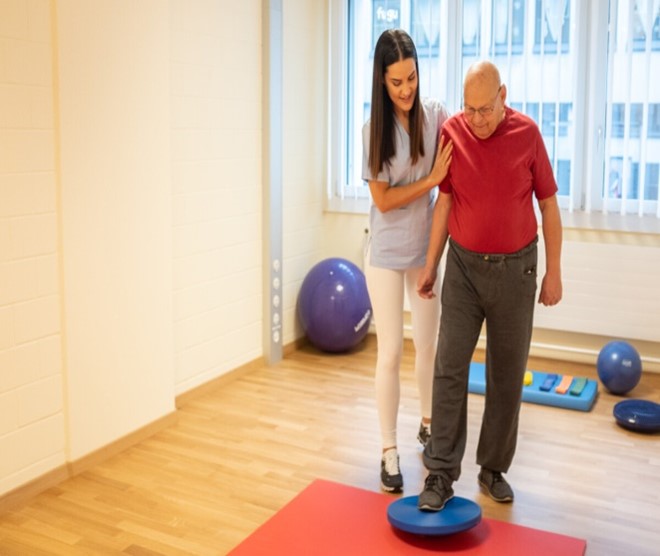
Certainly! Neurophysiotherapy, also known as neurological physical therapy, focuses on restoring functional mobility, strength, balance, and coordination in individuals with neurological conditions that impact their quality of life and movement abilities. Here are some common neurological conditions treated by neurophysiotherapists:
6. Cervical and lumbar Radiculopathies: Cervical and lumbar radiculopathies can indeed be treated by physiotherapists. In These conditions when a spinal nerve in your neck / lower back becomes irritated or compressed, leading to symptoms like neck pain/back pain, weakness, numbness, and tingling in your arm and hand/leg and foot. Physiotherapy can help here by providing pain relief through different modalities followed by rehabilitation protocol for normal restoration of muscle function.
7. Bell’s palsyis a condition characterized by facial paralysis resulting from dysfunction of Cranial Nerve VII (the Facial Nerve). Physiotherapy can play a role in managing Bell’s palsy by Strengthening Muscles and Improving Blood Circulation. Physiotherapist provides Facial Exercises which target facial muscles, promoting better muscle tone and function.